Web performance insights
Stay up-to-date with the web performance industry.
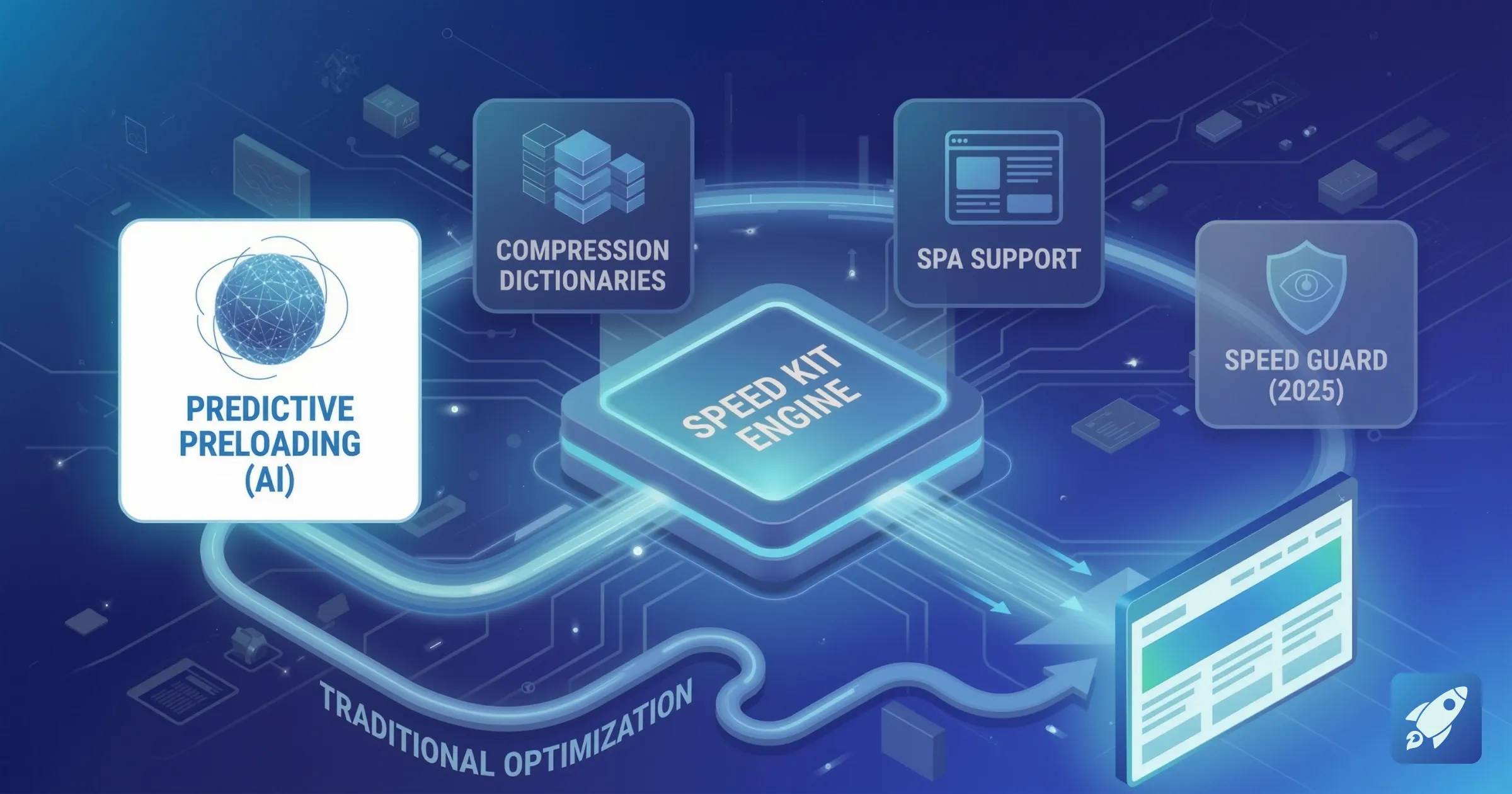
Speed Kit 2025: The Shift From Optimization to Prediction
For the last decade, web performance has been a game of marginal gains. Developers have fought for every millisecond, optimizing distinct requests and shaving bytes off payloads.
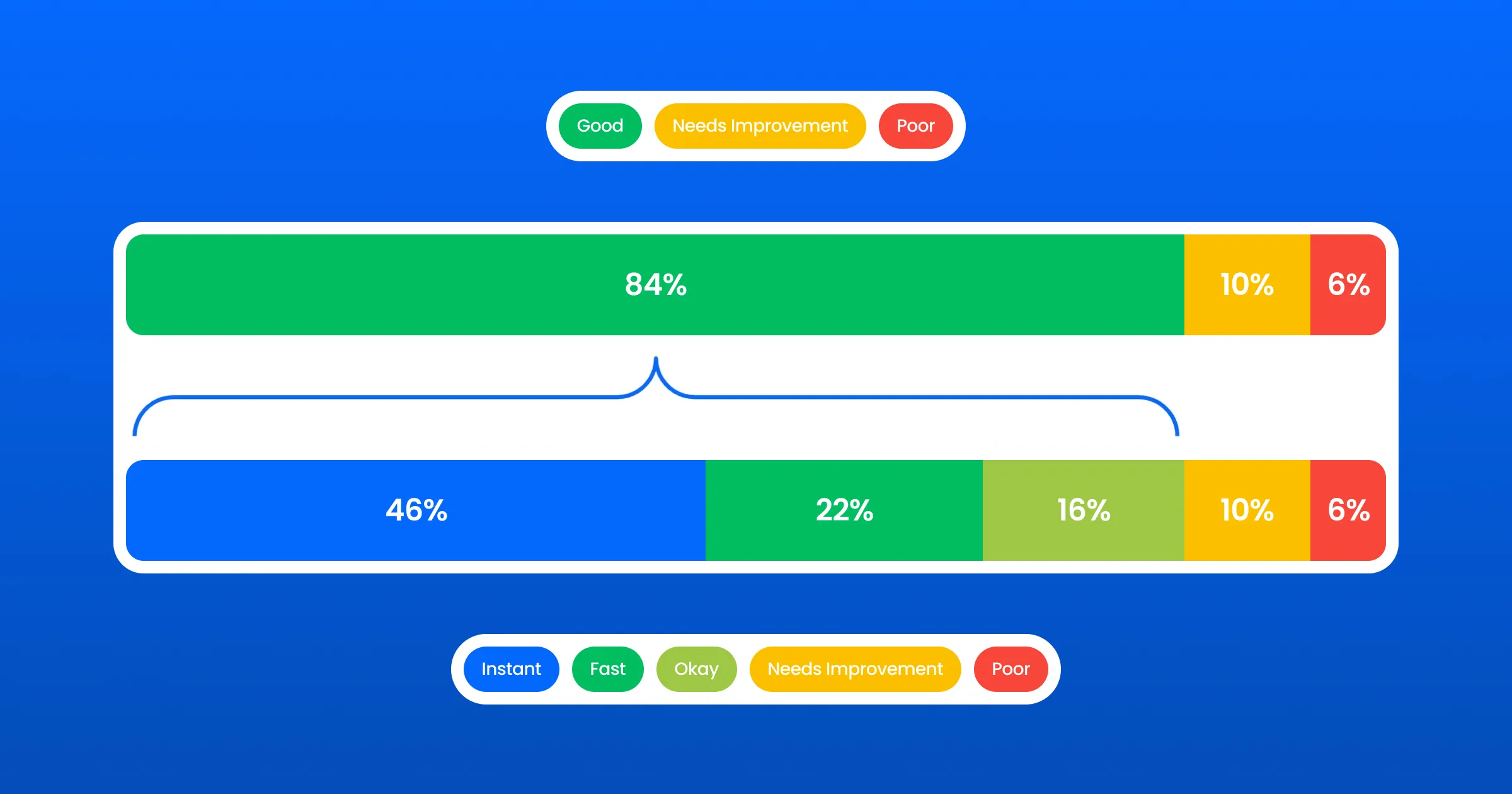
Don’t Settle for “Good”: It Is Time for New LCP Thresholds
We at Speed Kit are now extending Google's LCP thresholds in all our dashboards by adding two additional buckets to show more details for page loads faster than 2.5s.

Predictive Preloads: Stop Reacting to Clicks and Start Predicting Them
While many website owners focus on achieving 'good' scores on metrics like Core Web Vitals, savvy e-commerce leaders understood long ago that this is merely the baseline.
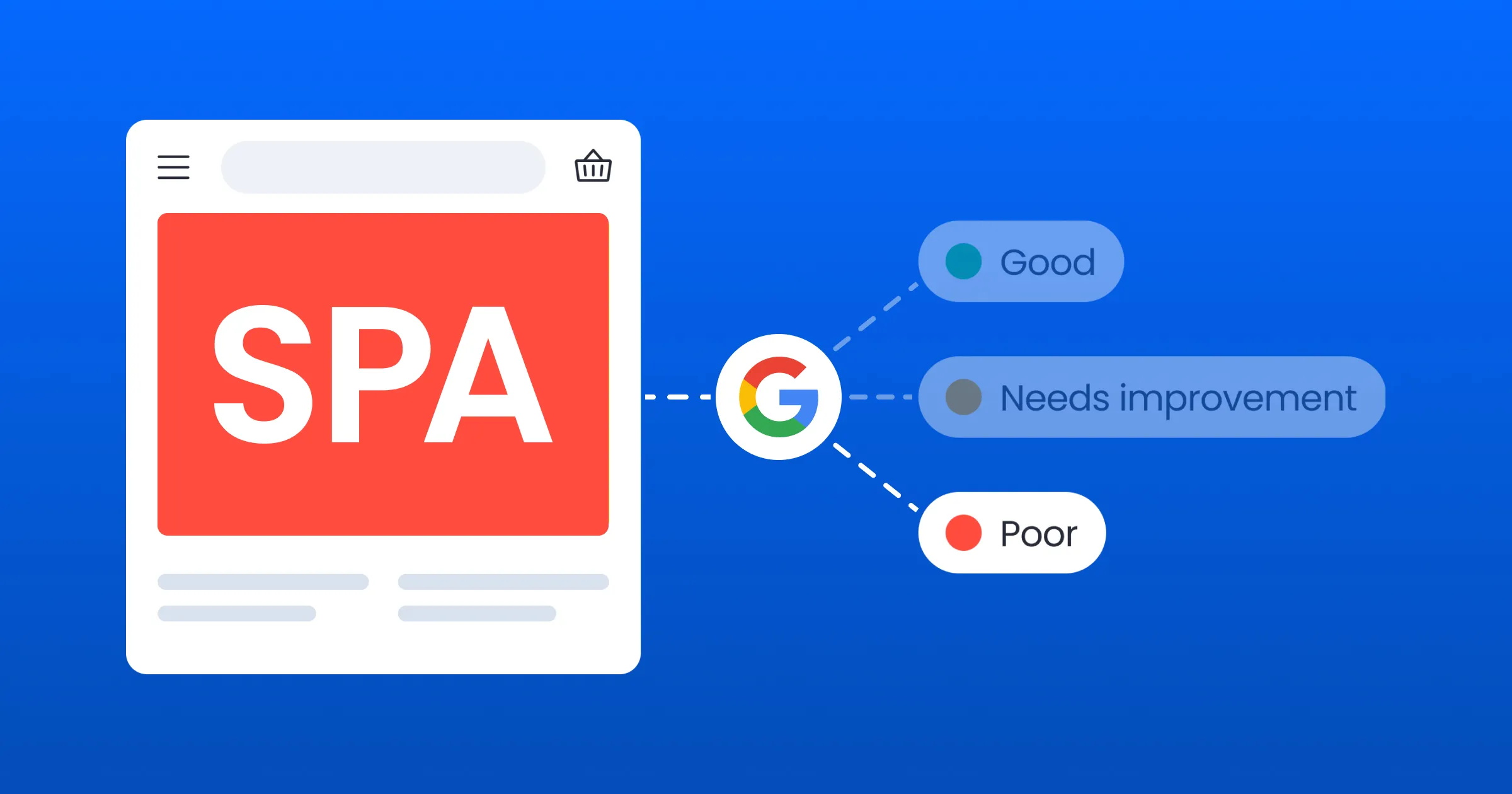
Measuring Largest Contentful Paint in Single-Page Applications
In this article, we will explain how to measure the Largest Contentful Paint (LCP) in Single-Page Applications (SPA).

A practical guide to A/B testing with multiple comparisons
In this article, we will explain the fundamentals of A/B testing and focus on how to conduct A/B tests with more than two groups.

Enhancing web responsiveness: How to debug and avoid slow interactions
Web responsiveness is the measure of how quickly a website responds to user interactions, and it is crucial for providing a smooth and efficient user experience to your users.
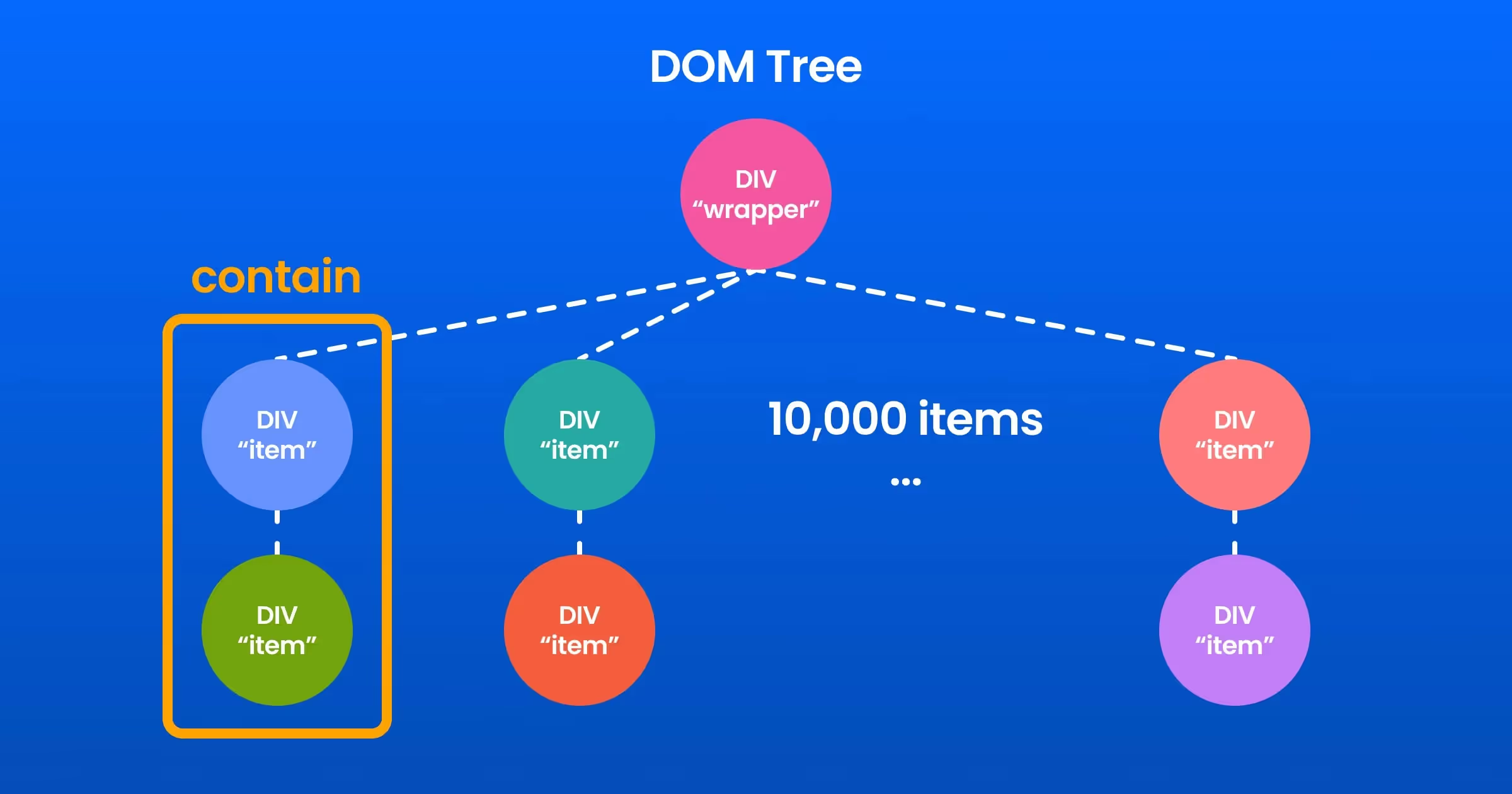
Field Testing CSS Containment for Web Performance Optimization
CSS Containment can help reduce the amount of rendering work the browser does when initially loading a page. But just how much can it improve performance?
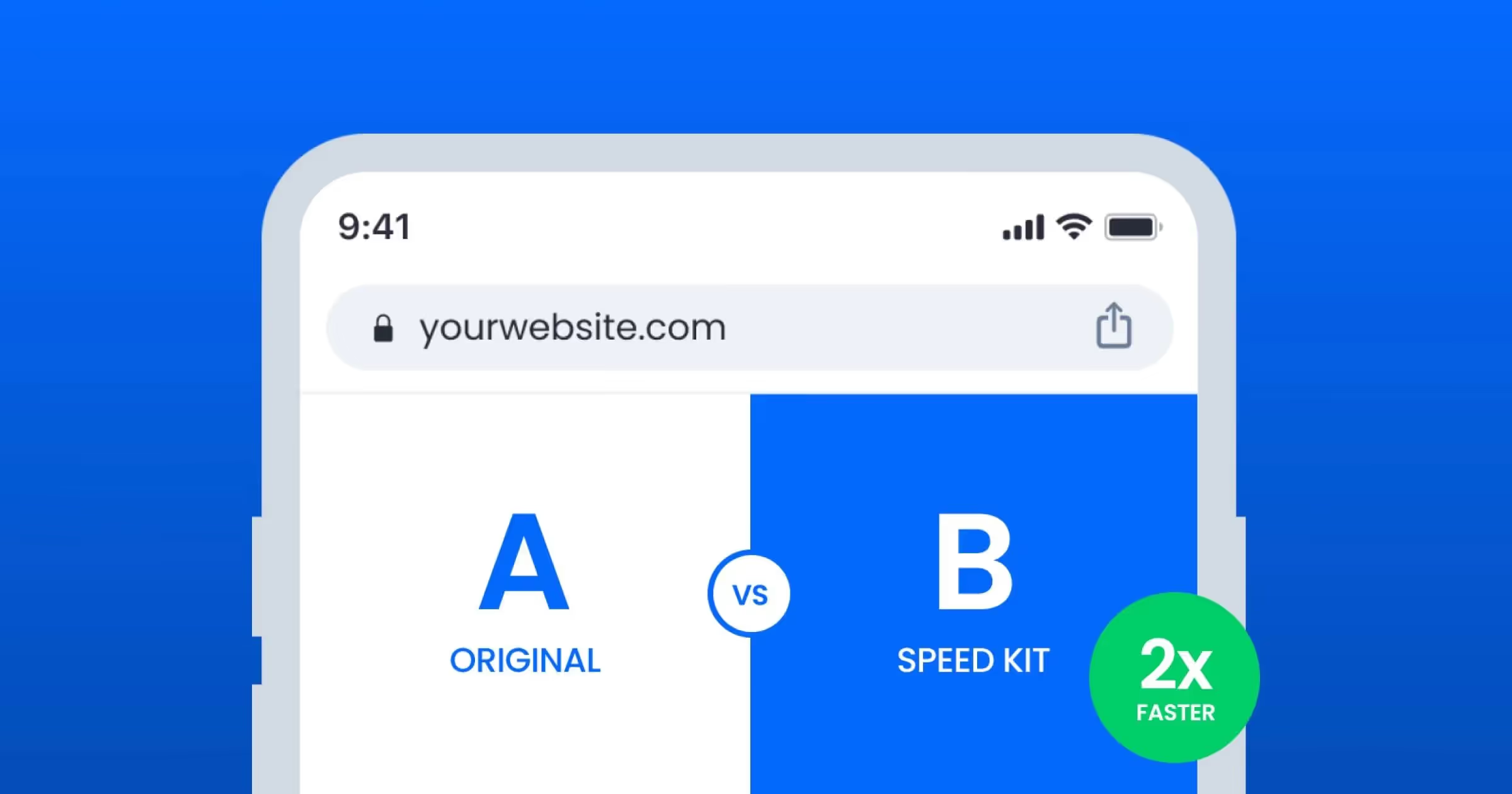
A page speed A/B test: How it’s done right
This article covers the basics of how to conduct a proper A/B test to examine if a change in the website infrastructure had a positive impact on the web performance.
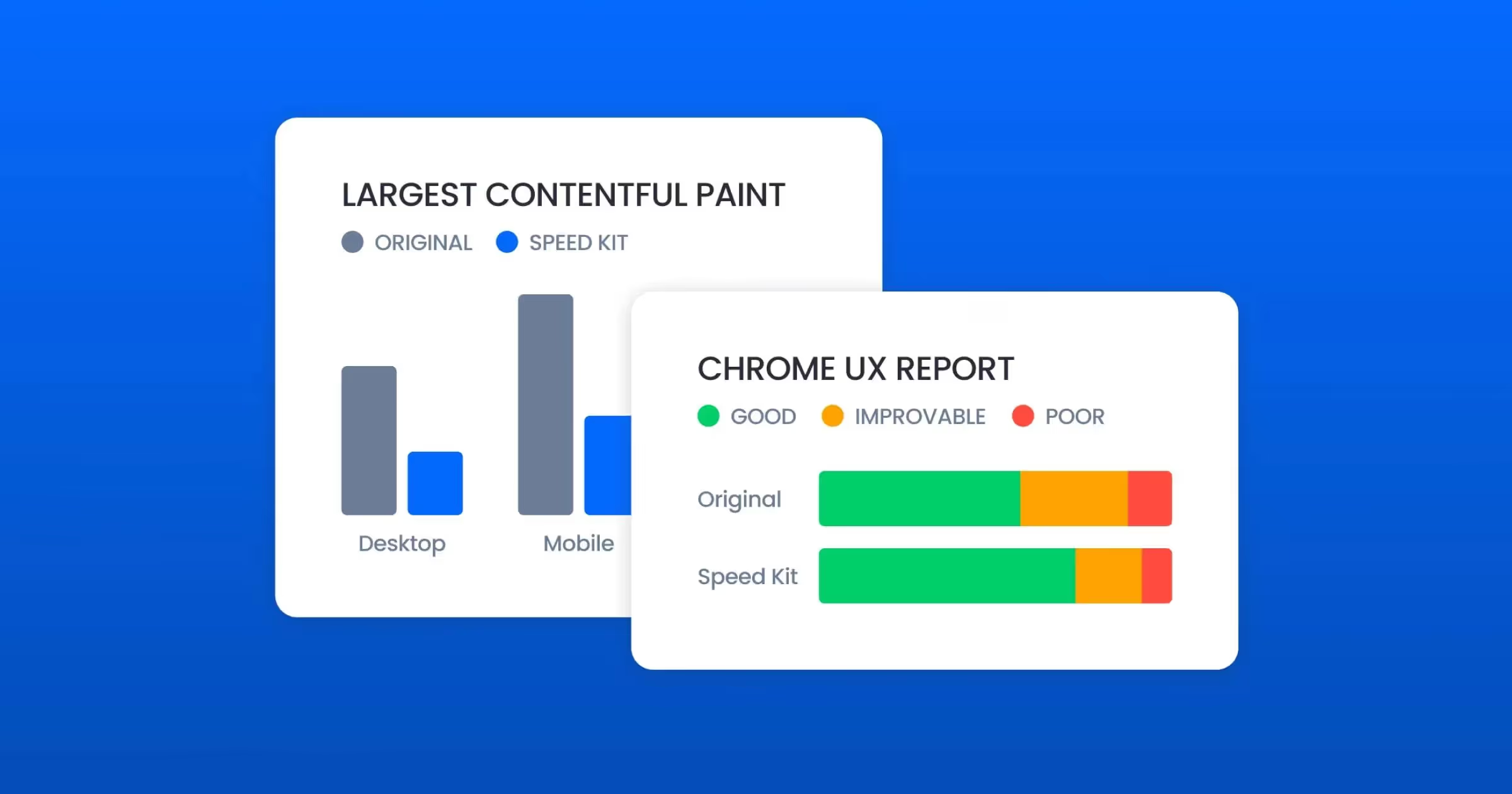
Fundamentals of page speed monitoring
This article explains the most important page speed KPIs and measurements and discusses different tools and methods to monitor page speed.
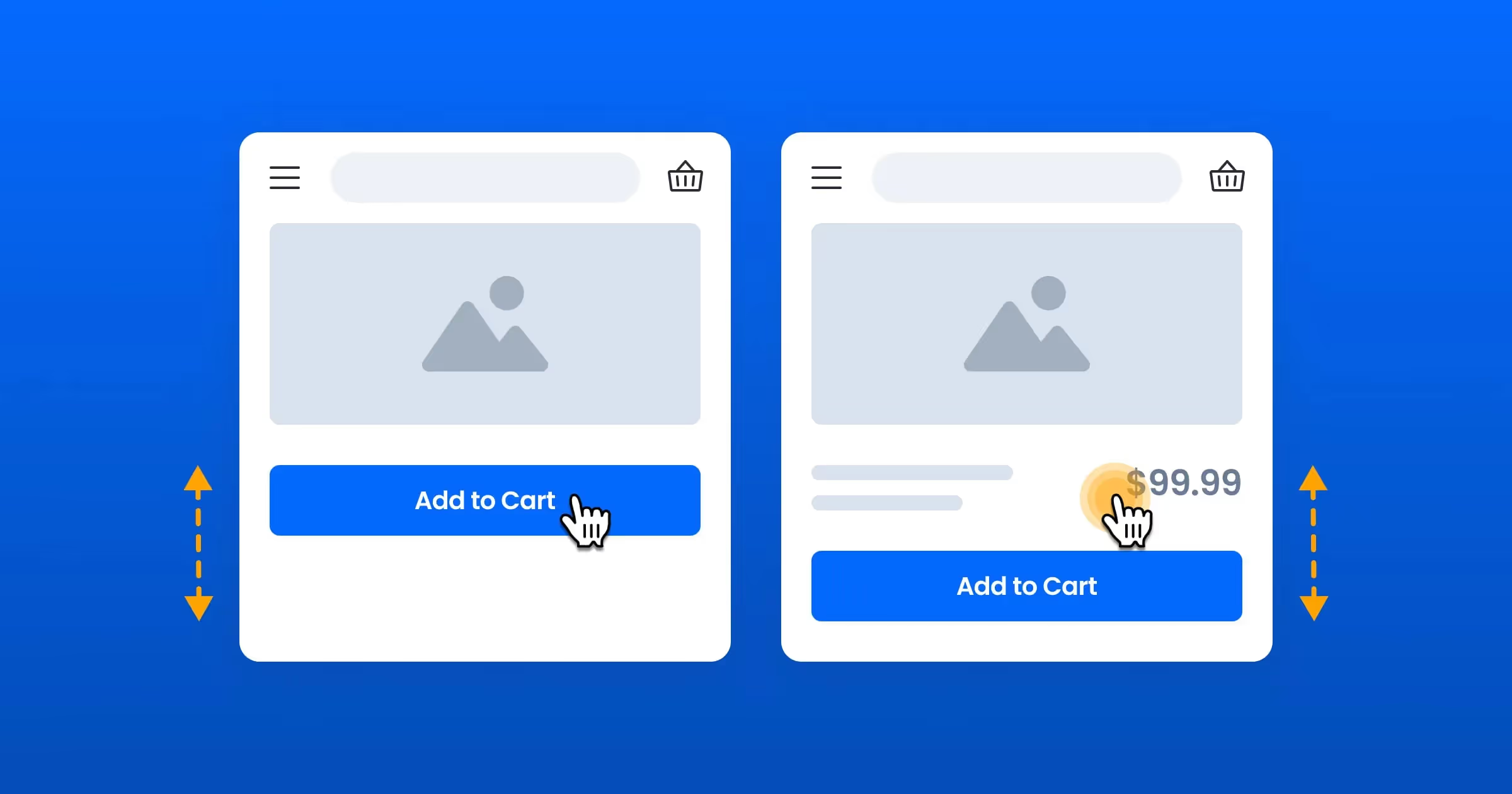
Common causes of layout shifts and how to fix them for better CLS
This article is about four of the most common causes for layout shifts, how to fix them, and about how to measure and monitor cumulative layout shifts.
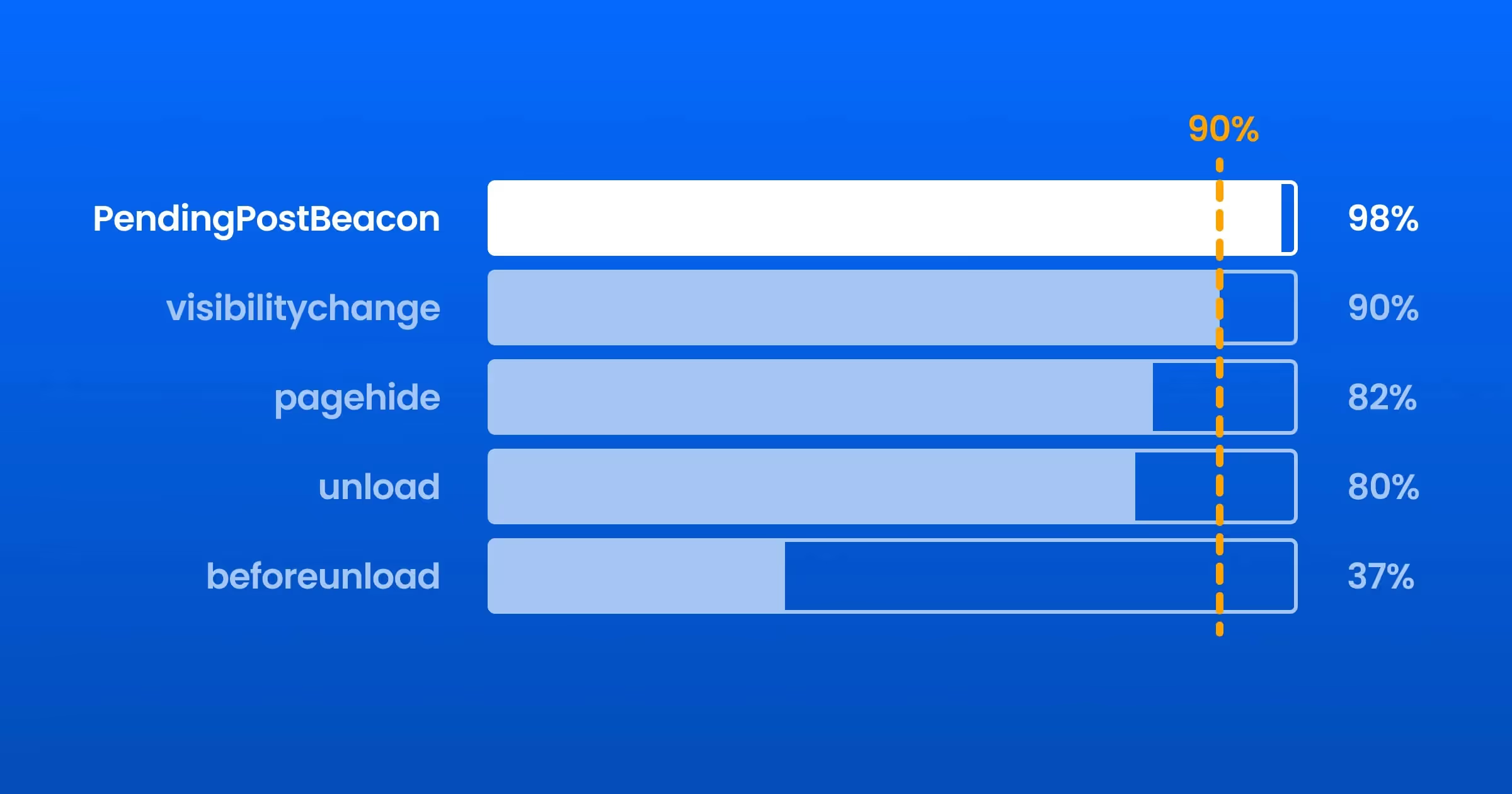
Unload beacon reliability: Benchmarking strategies for minimal data loss
Unload beacons are vital for real-user monitoring as they send final data when a user leaves a web page. The most reliable method combines visibilitychange and pagehide events, achieving a reliability…
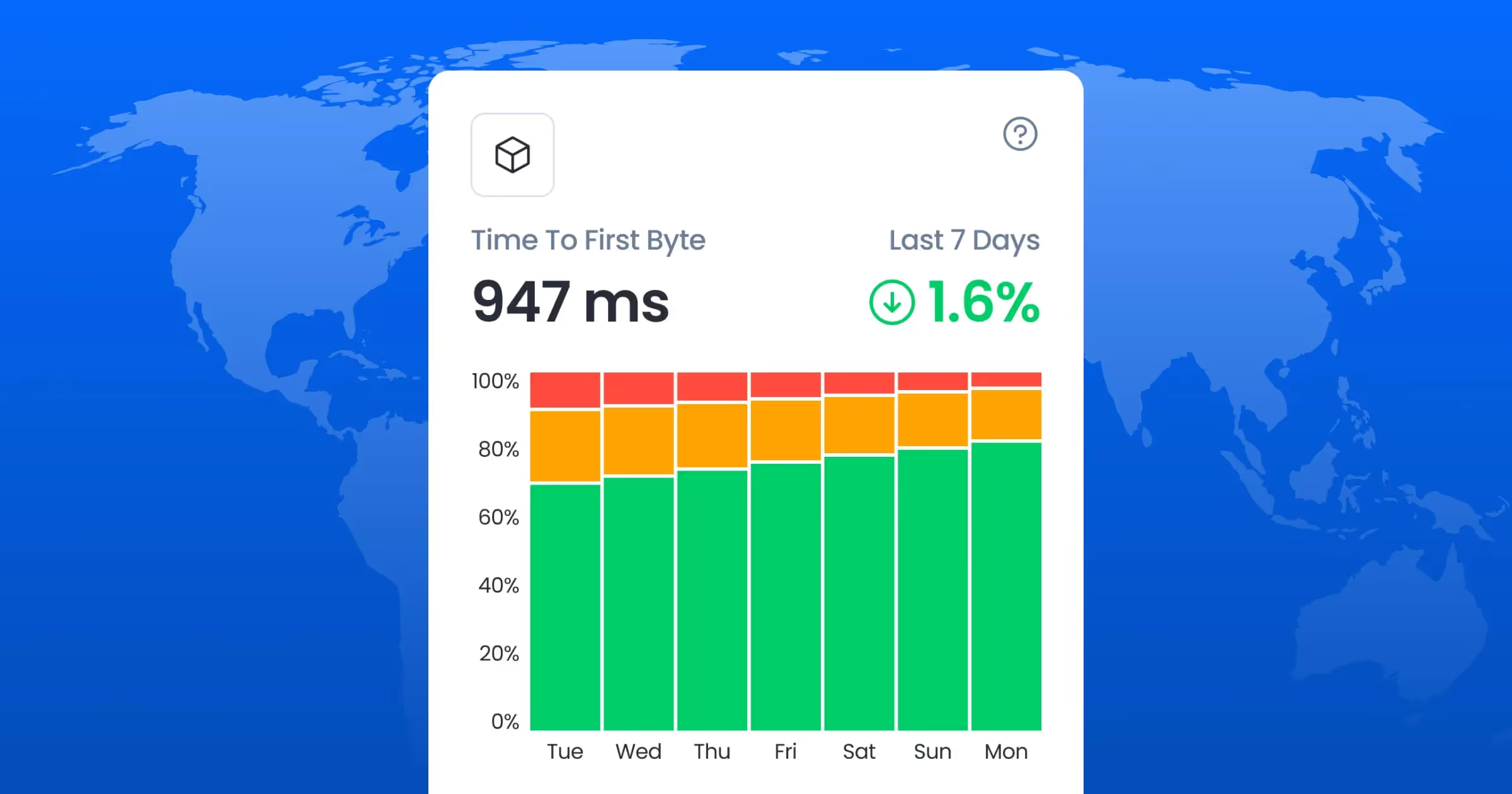
What is the Time to First Byte (TTFB) and how to improve it
What is the TTFB? What Business impact does it have? How can I measure it? And How can I reduce it? Those are the questions answered in this blog.

Why Largest Contentful Paint (LCP) matters for your business
In this article, we will explore the impact of the Largest Contentful Paint (LCP) on your business and how you can optimize it to enhance user satisfaction and achieve better business outcomes.
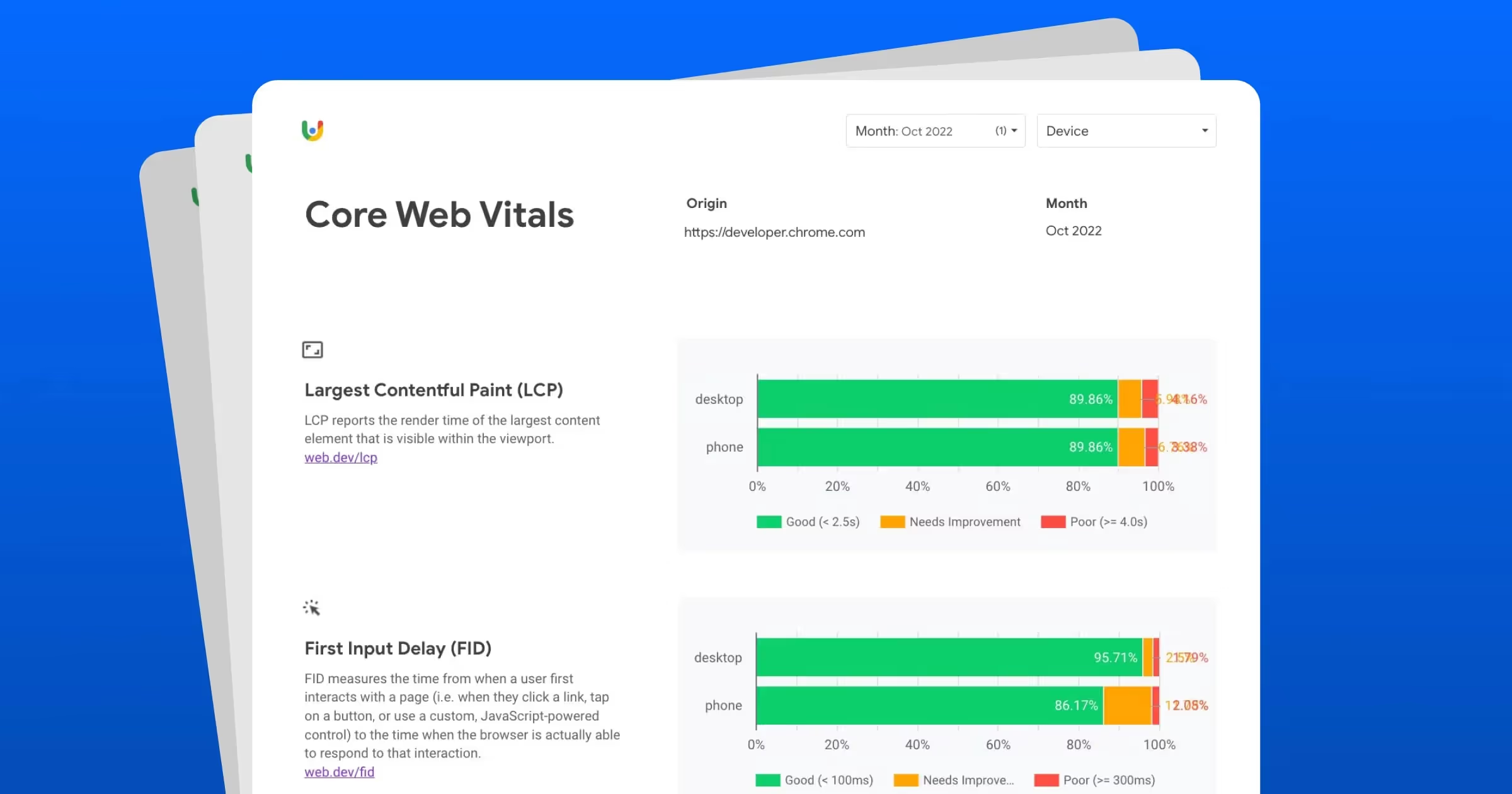
Why Google’s CrUX results are not reproducible with your real-user monitoring
In this post, we’ll give a detailed explanation of why CrUX and RUM often report contradicting performance measurements and why you should still keep an eye on both.

Speed Kit: Making websites faster with service workers and dynamic caching
In this blog article, we explain how the unique service worker technology of Speed Kit enables dynamic caching and enhances the website speed and Core Web Vitals of our customers.

Why Interaction to Next Paint (INP) matters to your business
In today's fast-paced digital world, users have high expectations when it comes to website performance. Slow loading times and unresponsive interfaces can lead to frustration and drive visitors away.

Reducing layout shift with custom fallback fonts
You go to a website and start reading the text as soon as it appears. But then the web font loads and the rest of the content shifts.